

This post may contain affiliate links which may compensate us based on your interaction. Please read the disclosures for more information.
In 2008, the economy was so bad I reluctantly had to tell my bank to “Kiss My A$$.” Not because I didn’t want to pay them—but because I finally faced an unfortunate but all too common reality…I couldn’t afford to pay them. I knew the decision would damage my credit score, fracture a great long-standing banking relationship, and delay my ability to secure a mortgage again. But at that point, the cost of staying silent was greater than the consequences of starting over. This moment became the first confession in my new book, Confessions of a Financial Fornicator, where I peel back the shame and walk readers through the real reasons behind my financial collapse—and the redemption that followed.
Here are a few reasons that I explain in the book about why I had to tell my bank to … well you know.
1. My House Couldn’t Swim!
I learned the hard way that houses can’t swim. In 2005, I purchased my home with over $30,000 in equity. I was confident my home improvements and upgrades would boost its value. But in 2008, during my relocation to Atlanta, the housing bubble burst. My home became worth $50,000 less than what I owed. In just three years, my home value was “underwater” by a little over $80,000. The equity evaporated, and the debt-to-value gap widened beyond recovery.
I drove through my neighborhood and saw an unusual number of foreclosure notices. But my pride and excitement about a new job in a city I had always dreamed of living in blinded me to the warning signs. I convinced myself that my house was different. That I was different. But reality taught me the real rule: a home will not sell for more than comparable properties around it, no matter how emotionally invested you are in the dream.
By the time I consulted a real estate professional, the market had already swallowed my opportunity to negotiate a short sale or modification.
I was mad at myself—not because I didn’t know, but because I knew better and ignored it.
2. I Didn’t Qualify!
I was a single mother, receiving next to nothing in child support, and the sole breadwinner covering bills in two states—Atlanta living expenses and Delaware mortgage payments. Yet the bank told me I didn’t qualify for a modification or short sale.
How could this be? I was confused. Hurt. Fear began to take the driver’s seat where pride once rode shotgun.
I spiraled into questions I was too ashamed to ask out loud:
-
Now what am I going to do?
-
How will I explain this to my son? My family? My new boss?
-
Foreclosures are public record—what if people see?
-
How can I help others financially when I’m drowning financially myself?
There was no Olivia Pope to spin this narrative. No foreclosure-prevention infrastructure. Programs were only beginning to emerge after the Foreclosure Prevention Act of 2008 passed. The system wasn’t ready for the volume of people who needed saving—including me.
And truthfully, as much as I wanted to be upset with the bank, I was more upset with me.
3. I Was Sick & Tired!
This situation made me physically, mentally, emotionally, and financially sick and tired. The stress sent my blood sugar and blood pressure to dangerous levels—especially risky for someone managing diabetes and hypertension. I wasn’t just emotionally tied to the property—I was emotionally tied to my financial integrity. My promise to pay back what I borrowed mattered to me. But willingness without ability is a special kind of heartbreak.
I had sleepless nights filled with crying. Prayer. Conversations with my money mentor. I started ignoring my bank’s calls and letters, believing silence would soften the blow.
Of course, that fairy tale failed. The more I dodged, the louder the consequences became. So, I made a decision rooted in self-preservation and truth: I chose voluntary foreclosure. I let it go. And I walked away.
Yes—it killed my credit.
Yes—it delayed my ability to get another mortgage for several years.
But most importantly…
There was life after foreclosure.
The Test Becomes the Testimony
I don’t blame my bank for my foreclosure. I wasn’t tricked by exotic mortgage terms—I signed the contract fully aware. My failure wasn’t the paperwork—it was the PRIDE. The timing. The silence. The delay in seeking help. The belief that independence meant never admitting instability.
This experience reshaped me. It made me more compassionate. More intentional. More committed to financial education. My test became my testimony—not to glorify struggle, but to normalize the truth:
You can rebuild what broke you—if you’re willing to confess what bruised you.

 Today, There Is Help
Now there are hundreds of reputable foreclosure-prevention resources, including programs that assist with payment reduction, refinancing, principal reduction, and unemployment hardship support. Organizations like Operation HOPE and NACA provide structured pathways for homeowners facing foreclosure. Most banks and credit unions now also have internal foreclosure-prevention departments ready to intervene earlier and more effectively than in 2008.
But the lesson remains timeless:
Ask sooner. Speak sooner. Negotiate sooner. Plan sooner.
Because silence is expensive as hell.
But confession is freedom for a lifetime.
Your Financial Resurrection Plan Starts Here
If my story resonated, imagine what 7 full confessions, R.E.P.E.N.T. frameworks, and healing prompts can do for your financial future.
Ready to rewrite your money story?
It’s time to read the book that goes first, so you can go next:
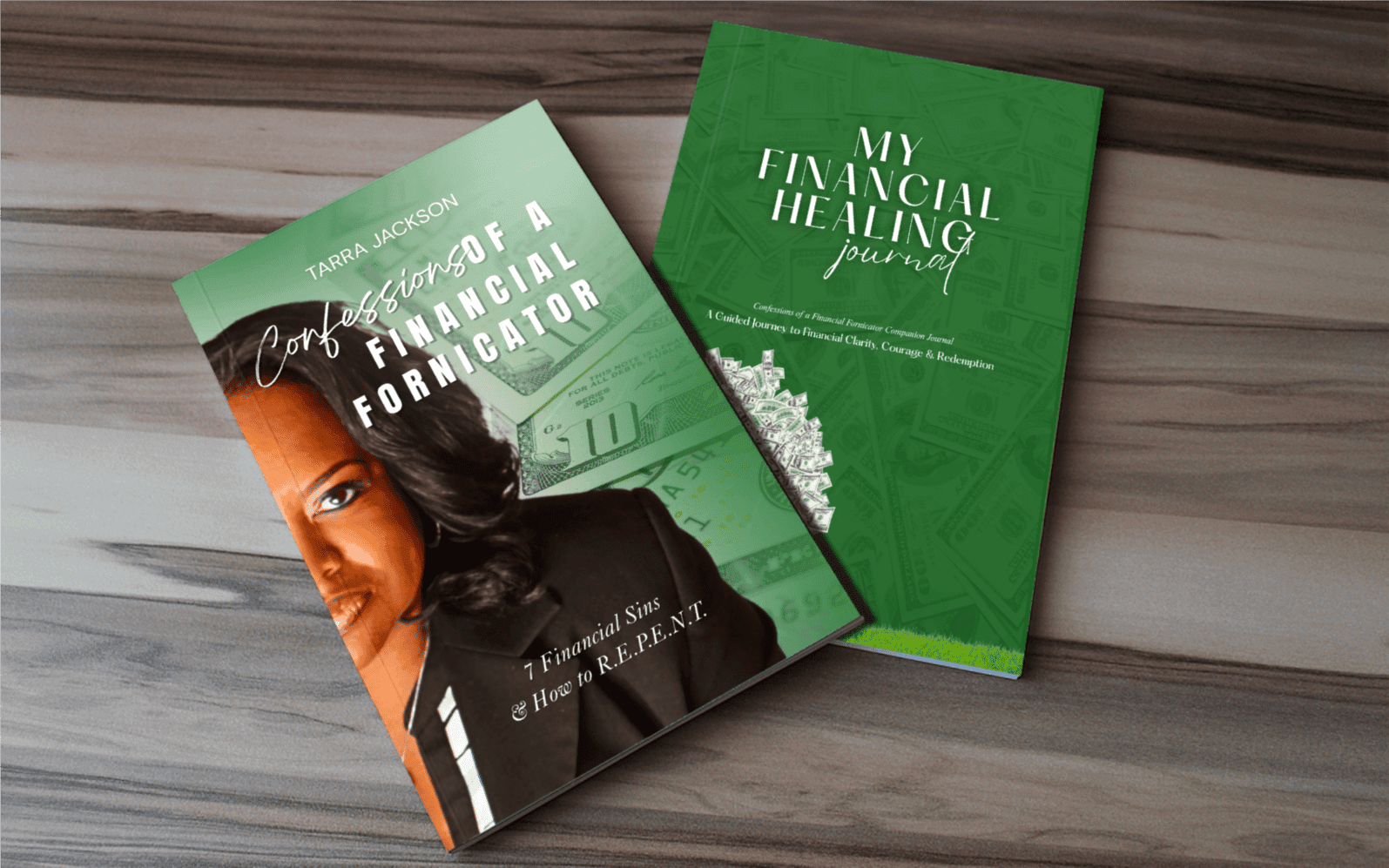 🖤 Buy Confessions of a Financial Fornicator now
📓 Pair it with My Financial Healing Journal for the full redemption work
🔥 Break the cycle of silence, shame & self-betrayal
💪 Rebuild your relationship with money on purpose
You are not alone. You are not weak. You are right on time.
👉 Get the Book + Journal Today
Your confession is waiting. Your healing is ready. Your future is calling.

