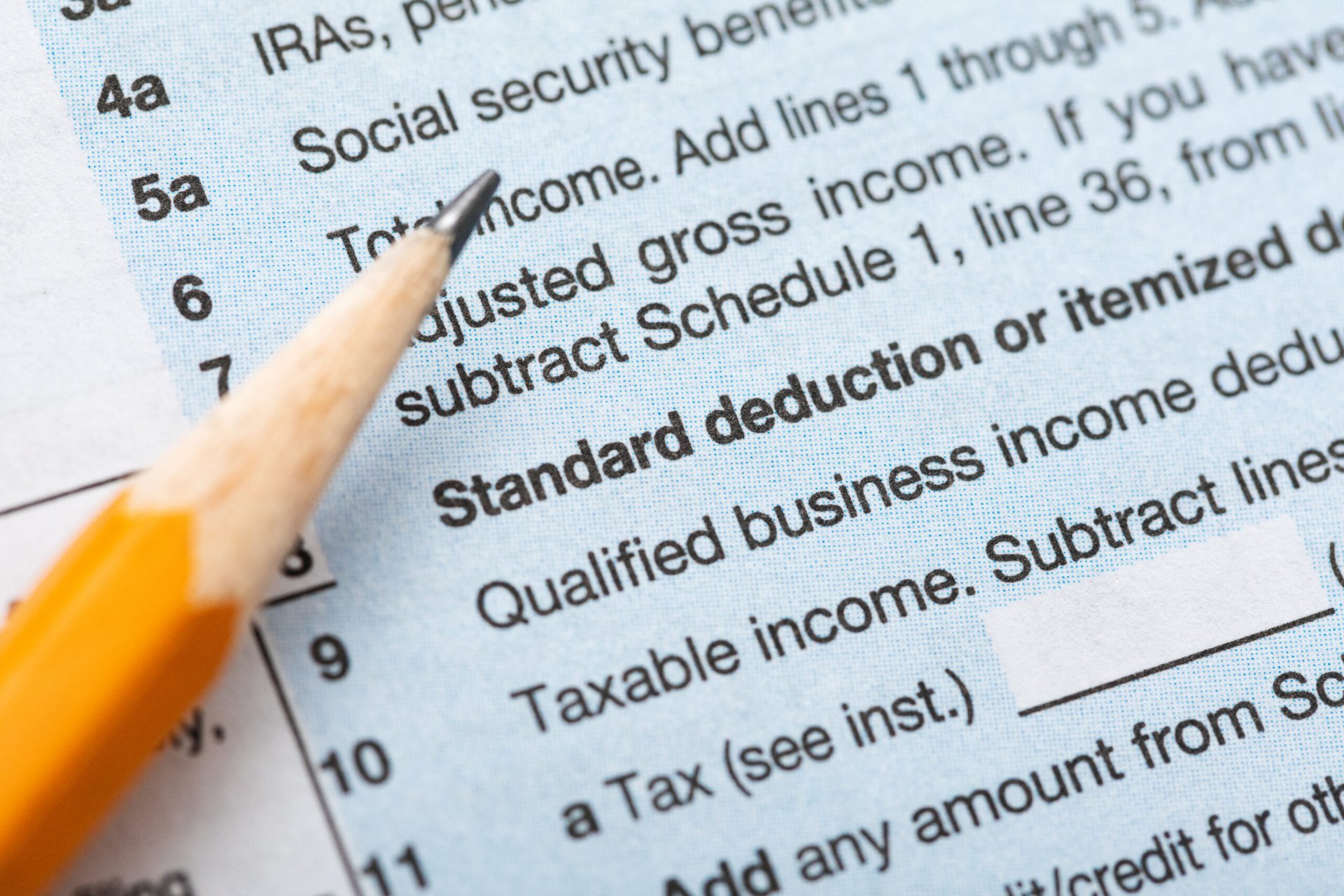
Proposed changes to the SALT deduction cap could deliver significant tax relief to many Americans, especially higher earners in high-tax states.
Sean Locke Photography / Shutterstock.com
The tax landscape for millions of Americans is about to undergo a significant shift with proposed changes to the State and Local Tax (SALT) deduction cap. These modifications could deliver substantial tax relief to certain taxpayers, particularly those in high-tax states who have felt the pinch since the 2017 Tax Cuts and Jobs Act (TCJA) limited these deductions.
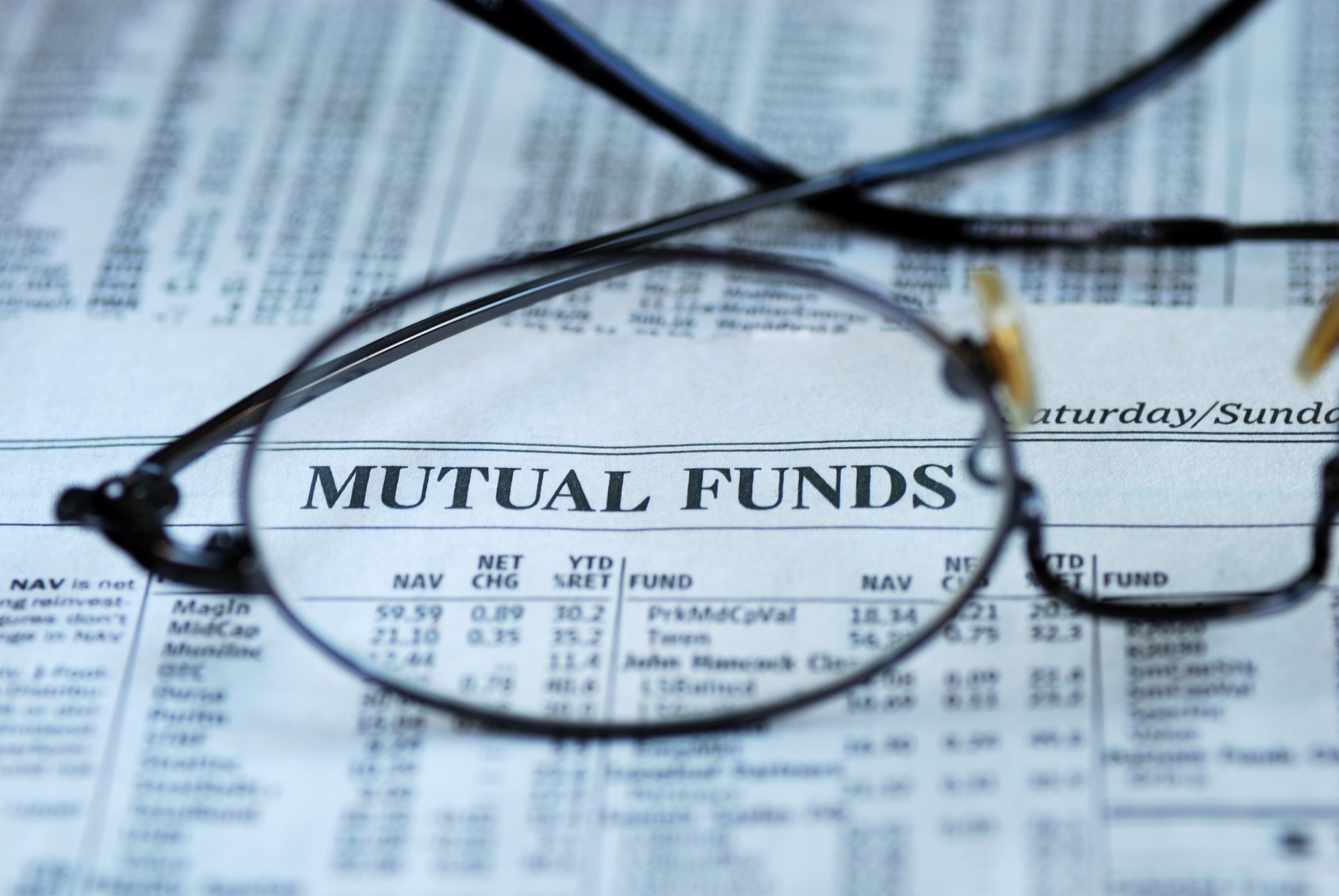
Proposed legislation could eliminate a longstanding tax annoyance for mutual fund investors by deferring taxes on capital gains until you actually sell your shares.
JohnKwan / Shutterstock.com
If you’ve ever opened your year-end mutual fund statement and been shocked by an unexpected tax bill, despite not selling a single share, you are not alone. This quirk of the investment world has long frustrated investors, but potential relief may be on the horizon. Unlike many investments, mutual funds can trigger capital gains taxes even when you haven’t sold your shares.
Discover practical strategies real people are using to manage rising costs, boost income, and take control of their finances.
Andrey_Popov / Shutterstock.com
The American financial landscape has dramatically shifted, with supplemental income becoming a necessity rather than a luxury for millions. A 2025 LendingTree study reveals that close to two-fifths of adults maintain secondary income streams, generating approximately $1,215 monthly on average. Economic pressures have transformed side hustles from optional activities into financial lifelines.
GDP slipped recently and concerns are growing, but small, strategic choices now can help you protect your money and plan confidently for the road ahead. Here’s how to stay steady when markets wobble.
Anton Vierietin / Shutterstock.com
According to GOBankingRates, the U.S. economy shrank by 0.3% in the first quarter of 2025, marking the first economic contraction since early 2022. This decline, slightly worse than the 0.2% drop economists had predicted, stands in stark contrast to the healthy 2.4% growth recorded in the final quarter of 2024. When gross domestic product (GDP) contracts, it means the total value of goods and…
Veterinary costs are rising fast, leaving many pet owners struggling to afford essential care. Learn how to prepare financially, explore affordable options, and protect your pet’s health.
FamVeld / Shutterstock.com
The connection between Americans and their animal companions runs deep. Yet, economic realities can force pet parents to make difficult decisions about medical care for their four-legged family members. A recent PetSmart Charities-Gallup State of Pet Care study uncovers concerning patterns showing a widening gulf between the cost of veterinary medicine and what typical households can…
[[{“value”:”Image source: Getty Images
You’ve probably heard the conventional advice: save 10% to 15% of each paycheck, and one day when you’re old and grey, you’ll retire comfortably.Alert: highest cash back card we’ve seen now has 0% intro APR into 2026
This credit card is not just good – it’s so exceptional that our experts use it personally. It features a 0% intro APR for 15 months, a cash back rate of up to 5%, and all somehow for no annual fee!
Click here to read our full review for free and apply in just 2 minutes. But what if you don’t want to wait until your late 60s? What if you want financial independence much sooner?That was me. I didn’t have a fancy job or a big inheritance. I barely passed high school and never went to college. But I did develop one key habit that put me ahead financially in life. I consistently saved a hefty chunk of each paycheck (25% to 30%, sometimes more) and invested it automatically.My wife and I crossed the $1 million net worth mark in our early 30s. We’re not flashy, we don’t live large, and we still clip coupons. But we’ve got unstoppable investment momentum that will allow us to retire early. (Maybe even in the next few years — shhh don’t tell my boss!)The simple habit: Automate your savingsIt’s simple, really. Every payday, set up automatic transfers from your checking account into high-yield savings and investment accounts.Even when I was earning an entry-level salary, I made sure part of my paycheck moved quickly into savings before I ever saw it. Out of sight, out of temptation.Let’s say you make $4,000 a month. If you automate a 25% savings rate, that’s $1,000 going toward your 401(k) or brokerage account each month. Over 10 years, even without fancy investing, you’re looking at over six-figures saved.Throw in compound interest, and that’s where things get really exciting…Invest early and oftenSaving money is the first step. But investing is what really builds wealth.When you invest, your money starts working for you. It earns returns, then those returns earn more returns. Over time, that snowball can grow into a mountain of money.Check out what happens when you invest just $1,000 per month with an average annual return of 8%:Investing PeriodInvestment Value10 years$174,00020 years$549,14330 years$1.36 million40 years$3.11 millionData source: Author’s calculations.And if you can save $2,000 per month, you can more than double those figures above! (Couples with dual income have a huge advantage here.)If you’re not sure where to begin investing, start with basic index funds. They spread your investment across hundreds (or thousands) of companies and have very low fees. Personally, I’ve leaned heavily on total market and S&P 500 index funds.Want help with your retirement plan? With our partner, SmartAsset, you can get matched with up to three fiduciary advisors so you can get professional advice.How to build a savings habitYou don’t need a high salary or a perfect budget to start saving. Here are a few simple, realistic ways to get going.1. Start smallDon’t worry if you can’t save much to begin with. Start small by saving just 5% to 10% of your income. You can increase the amount once it becomes routine.2. Automate itThe easiest way to save is to make it automatic. Set up a recurring transfer that happens right after payday. That way, you’re not relying on willpower or waiting to see what’s left over at the end of each month.3. Set a goalSaving feels more meaningful when there’s a purpose behind it. Small goals like building a $10,000 emergency fund, or large goals like saving for a down payment, keep you motivated and focused.4. Adjust as neededMy wife and I had periods when we were both working, but some years we lived on only her teacher salary. Life isn’t always predictable, so if you need to dial back your savings temporarily, that’s OK. The key is to stay in the habit.5. Track your progress (and celebrate small wins)Watching your savings grow is a massive motivator. Use a budgeting app, spreadsheet, or even a good old-fashioned chart on the fridge. Visual progress keeps you engaged. And don’t forget to celebrate hitting those little milestones along the way.Consistency beats perfectionYou don’t have to get everything right. I’ve had my fair share of financial screw-ups.But if you can build this one habit — saving consistently and investing each month — you’ll give yourself a huge financial leg up later in life.Start today. Save what you can. Rinse and repeat.Want to build a plan for early retirement? A short questionnaire from our partner, SmartAsset, helps match you with up to three fiduciary financial advisors, each legally bound to work in your best interest.Alert: highest cash back card we’ve seen now has 0% intro APR into 2026
This credit card is not just good – it’s so exceptional that our experts use it personally. It features a 0% intro APR for 15 months, a cash back rate of up to 5%, and all somehow for no annual fee!
Click here to read our full review for free and apply in just 2 minutes. We’re firm believers in the Golden Rule, which is why editorial opinions are ours alone and have not been previously reviewed, approved, or endorsed by included advertisers.
Motley Fool Money does not cover all offers on the market. Editorial content from Motley Fool Money is separate from The Motley Fool editorial content and is created by a different analyst team.Joel O’Leary has no position in any of the stocks mentioned. The Motley Fool has no position in any of the stocks mentioned. The Motley Fool has a disclosure policy.”}]] [[{“value”:”
Image source: Getty Images
You’ve probably heard the conventional advice: save 10% to 15% of each paycheck, and one day when you’re old and grey, you’ll retire comfortably.
Alert: highest cash back card we’ve seen now has 0% intro APR into 2026
This credit card is not just good – it’s so exceptional that our experts use it personally. It features a 0% intro APR for 15 months, a cash back rate of up to 5%, and all somehow for no annual fee!
But what if you don’t want to wait until your late 60s? What if you want financial independence much sooner?
That was me. I didn’t have a fancy job or a big inheritance. I barely passed high school and never went to college. But I did develop one key habit that put me ahead financially in life. I consistently saved a hefty chunk of each paycheck (25% to 30%, sometimes more) and invested it automatically.
My wife and I crossed the $1 million net worth mark in our early 30s. We’re not flashy, we don’t live large, and we still clip coupons. But we’ve got unstoppable investment momentum that will allow us to retire early. (Maybe even in the next few years — shhh don’t tell my boss!)
The simple habit: Automate your savings
It’s simple, really. Every payday, set up automatic transfers from your checking account into high-yield savings and investment accounts.
Even when I was earning an entry-level salary, I made sure part of my paycheck moved quickly into savings before I ever saw it. Out of sight, out of temptation.
Let’s say you make $4,000 a month. If you automate a 25% savings rate, that’s $1,000 going toward your 401(k) or brokerage account each month. Over 10 years, even without fancy investing, you’re looking at over six-figures saved.
Throw in compound interest, and that’s where things get really exciting…
Invest early and often
Saving money is the first step. But investing is what really builds wealth.
When you invest, your money starts working for you. It earns returns, then those returns earn more returns. Over time, that snowball can grow into a mountain of money.
Check out what happens when you invest just $1,000 per month with an average annual return of 8%:
Investing Period
Investment Value
10 years
$174,000
20 years
$549,143
30 years
$1.36 million
40 years
$3.11 million
Data source: Author’s calculations.
And if you can save $2,000 per month, you can more than double those figures above! (Couples with dual income have a huge advantage here.)
If you’re not sure where to begin investing, start with basic index funds. They spread your investment across hundreds (or thousands) of companies and have very low fees. Personally, I’ve leaned heavily on total market and S&P 500 index funds.
You don’t need a high salary or a perfect budget to start saving. Here are a few simple, realistic ways to get going.
1. Start small
Don’t worry if you can’t save much to begin with. Start small by saving just 5% to 10% of your income. You can increase the amount once it becomes routine.
2. Automate it
The easiest way to save is to make it automatic. Set up a recurring transfer that happens right after payday. That way, you’re not relying on willpower or waiting to see what’s left over at the end of each month.
3. Set a goal
Saving feels more meaningful when there’s a purpose behind it. Small goals like building a $10,000 emergency fund, or large goals like saving for a down payment, keep you motivated and focused.
4. Adjust as needed
My wife and I had periods when we were both working, but some years we lived on only her teacher salary. Life isn’t always predictable, so if you need to dial back your savings temporarily, that’s OK. The key is to stay in the habit.
5. Track your progress (and celebrate small wins)
Watching your savings grow is a massive motivator. Use a budgeting app, spreadsheet, or even a good old-fashioned chart on the fridge. Visual progress keeps you engaged. And don’t forget to celebrate hitting those little milestones along the way.
Consistency beats perfection
You don’t have to get everything right. I’ve had my fair share of financial screw-ups.
But if you can build this one habit — saving consistently and investing each month — you’ll give yourself a huge financial leg up later in life.
Start today. Save what you can. Rinse and repeat.
Want to build a plan for early retirement? A short questionnaire from our partner, SmartAsset, helps match you with up to three fiduciary financial advisors, each legally bound to work in your best interest.
Alert: highest cash back card we’ve seen now has 0% intro APR into 2026
This credit card is not just good – it’s so exceptional that our experts use it personally. It features a 0% intro APR for 15 months, a cash back rate of up to 5%, and all somehow for no annual fee!
We’re firm believers in the Golden Rule, which is why editorial opinions are ours alone and have not been previously reviewed, approved, or endorsed by included advertisers.
Motley Fool Money does not cover all offers on the market. Editorial content from Motley Fool Money is separate from The Motley Fool editorial content and is created by a different analyst team.Joel O’Leary has no position in any of the stocks mentioned. The Motley Fool has no position in any of the stocks mentioned. The Motley Fool has a disclosure policy.
Tarra “Madam Money” Jackson is a financial educator, international speaker, author, and wealth empowerment strategist helping you heal, build, and grow your wealth.
We use cookies to ensure that we give you the best experience on our website. If you continue to use this site we will assume that you are happy with it.